a red haired women sits on the floor of a white tiled bathroom because she has been experiencing Heavy periods after 40 with clots. She doesn't know what to do. But expert care is right around the corner at steel city medical center.

Heavy Periods After 40 With Clots: When To Worry & What To Do


You used to know exactly what to expect. Same week every month, manageable, predictable. Now you’re going through a super tampon in an hour, passing clots that make you stop and stare, and wondering if this is just what your 40s are going to look like.

It’s not just you. And it’s not in your head.

Heavy periods after 40 with clots are one of the most common — and least talked about — signs that your hormones are shifting. For most women, that’s the whole story. For some, there’s more going on underneath it. Most of the time, what you’re experiencing has an explanation. Often, it has a solution. But “common” doesn’t mean you should just white-knuckle through it, and it doesn’t mean every cause is benign.

Here’s what’s actually going on.

What Counts as a “Heavy Period?”

Heavy is relative, so let’s make it concrete.

Clinically, a period is considered heavy if you’re soaking through a pad or tampon every one to two hours for several consecutive hours, passing clots larger than a quarter, bleeding for more than seven days, or if your period is disrupting your daily life — meaning you’re planning your schedule around it, avoiding activities, or managing significant fatigue.

Heavy periods after 40 with clots that meet any of those criteria isn’t just “a rough month.” That’s heavy periods perimenopause, and it warrants attention.

Why Periods Change in Your 40s

Perimenopause — the transition period before menopause — typically begins in the early-to-mid 40s, sometimes earlier. It’s not a single event. It’s a years-long female-focused hormonal recalibration, and irregular periods in your 40s are often the first sign it’s underway. If your cycle has become unpredictable — longer, shorter, heavier, or just different than it’s been for the last two decades — irregular periods in your 40s are worth taking seriously, not waiting out.

The mechanism isn’t complicated, but it’s widely misunderstood. Here’s the actual picture regarding heavy periods after 40 with clots.

The Role of Estrogen Dominance

In a normal cycle, estrogen builds the uterine lining during the first half of the month. Progesterone, released after ovulation, stabilizes that lining and tells your body how much to shed.

In perimenopause, ovulation becomes irregular. Some months you ovulate. Some months you don’t. When you don’t ovulate, progesterone doesn’t get produced. Estrogen continues doing its job — building the lining — without anything to check it.

The result is estrogen dominance: not necessarily too much estrogen in absolute terms, but too much relative to progesterone. The lining builds thicker than it should. When it finally sheds, it sheds heavily.

This is perimenopause heavy bleeding at its most common — and it’s a hormone balance problem, not a structural one.

How Progesterone Decline Affects Bleeding

Progesterone does more than just balance estrogen. It stabilizes blood vessels in the uterine lining and acts as a natural anti-inflammatory. When progesterone drops, those vessels become more fragile. More prone to heavy shedding. More prone to clotting.

The clots themselves aren’t dangerous — they form when blood pools faster than your body’s natural anticoagulants can keep up. Large, jelly-like clots during heavy periods are often progesterone deficiency made visible.

This is why progesterone — specifically bioidentical progesterone, not synthetic progestins — is often the most direct therapeutic response to heavy periods after 40 with clots. And this is a distinction worth understanding clearly.

Progesterone is not a progestin. They are not the same compound. Progestins are synthetic lab-made versions with a different chemical structure that carry different — and in some cases significantly worse — risk profiles. Some progestin/estrogen combinations are associated with increased breast cancer risk, blood pressure changes, and clotting. Natural bioidentical progesterone has a protective effect on both breast tissue and cardiovascular health.

When you see these terms used interchangeably — including on major health websites — that’s a clinical error. At Steel City, we know the difference. It matters.

When Blood Clots Are a Warning Sign

Most clots during heavy perimenopause heavy bleeding are the result of hormonal shifts. But clots can also signal something that needs direct evaluation.

See a doctor promptly if:

  • Clots are consistently larger than a quarter
  • You’re soaking through protection every hour for two or more consecutive hours
  • Bleeding lasts longer than seven days
  • You’re experiencing fatigue, dizziness, shortness of breath, or heart palpitations — these can be signs of anemia from blood loss
  • You have pelvic pain or pressure that’s new or worsening

Heavy bleeding should always be evaluated by a healthcare provider to rule out underlying conditions. The hormonal explanation is common — but it’s a diagnosis of informed exclusion, not assumption.

Other Conditions That Can Cause Heavy Bleeding 

Hormone imbalance symptoms aren’t the only driver of heavy periods after 40 with clots. Several structural conditions become more common in this decade and can cause or significantly worsen bleeding:

Uterine fibroids are non-cancerous muscle growths that develop in or on the uterine wall. They’re extremely common — estimates suggest the majority of women will have at least one by menopause — and they often don’t cause symptoms until hormonal shifts make them more active. When fibroids are present alongside estrogen dominance, bleeding can become significantly heavier.

Uterine polyps are small, soft growths on the uterine lining. They tend to cause irregular bleeding, spotting between periods, and heavier flow. Often symptom-free until they’re not.

Adenomyosis is a condition where uterine lining tissue grows into the muscle wall of the uterus itself. It causes heavy, painful periods and a uterus that may feel enlarged or tender. It’s underdiagnosed and frequently mistaken for “just perimenopause.”

Thyroid dysfunction is another common contributor that often goes unconnected. The thyroid plays a significant role in regulating menstrual cycles, and both hypothyroidism and hyperthyroidism can cause irregular, heavy bleeding.

None of these can be ruled out without evaluation. Which is exactly why heavy periods after 40 with clots deserve a clinical conversation — not a trip to the drugstore for overnight pads, and not another month of assuming it’ll even out on its own. Hormone replacement therapy Pittsburgh can help.

How Hormone Therapy Can Help

For women whose heavy periods after 40 with clots are driven by the estrogen dominance and progesterone deficiency pattern described above, hormone therapy — specifically targeted progesterone restoration — can meaningfully reduce bleeding and regulate cycles.

Bioidentical hormone replacement therapy works by restoring the progesterone your body is no longer producing consistently, rebalancing its ratio to estrogen, and giving the uterine lining the signal it needs to shed predictably and proportionately.

This isn’t one-size-fits-all. Bioidentical progesterone can be delivered in capsule form (including pharmaceutical-grade options and customized compounded versions), topically, or vaginally depending on your symptoms, your cycle pattern, and what your labs show. Compounded progesterone, made to individual specification at a regulated compounding pharmacy, allows for dosing precision that standard pharmaceutical options don’t offer — which matters when the hormonal picture is complex.

The goal isn’t to stop your periods or mask the symptom. It’s to restore the hormonal signal that was regulating them in the first place.

For women whose bleeding is driven by fibroids, polyps, or adenomyosis, the approach is different — and may involve additional interventions. But hormonal optimization is often still part of the picture, because estrogen dominance feeds structural conditions too.

Treatment Options at Steel City Medical Center 

Heavy periods perimenopause isn’t a condition to manage indefinitely. It’s a signal — and signals have sources.

At Steel City Medical Center, Dr. Donaldson and the clinical team approach perimenopausal bleeding the way functional medicine is supposed to work: find the root cause, address it directly, and build a protocol specific to you.

That starts with a comprehensive hormone panel — not a cursory TSH and CBC, but a full picture of estrogen, progesterone, thyroid, and relevant metabolic markers. From there, treatment is built around what your labs and symptoms actually show.

Hormone replacement therapy Pittsburgh at Steel City means bioidentical hormones — not synthetic progestins — dosed precisely, monitored regularly, and adjusted as your body responds. If structural causes are part of the picture, Dr. Donaldson coordinates the appropriate next steps.

Perimenopausal bleeding natural remedies like iron-rich nutrition, stress reduction, and anti-inflammatory dietary patterns can support your protocol — and we’ll talk through those too. But they’re adjuncts, not substitutes, when what’s driving your bleeding is a hormone deficiency or a structural condition.

When to See a Doctor in Pittsburgh

If you’re reading this and recognizing yourself in the heavy periods after 40 with clots description — especially if it’s been going on for more than a cycle or two — don’t wait this one out.

The hormonal explanation is often the right one. But it requires evaluation to confirm, and the treatment, when it’s right, makes a significant difference. Women dealing with heavy periods after 40 with clots who’ve spent years managing flooding cycles and planning their lives around unpredictable periods often describe the shift after proper hormone balancing as one of the most meaningful quality-of-life changes they’ve experienced.

You’ve been the last person on your own list for long enough.

If you’re in Pittsburgh and ready to get a real answer, Pittsburgh functional medicine starts with actually looking at the full picture — not a five-minute appointment and a referral for an ablation.

Schedule a consultation with Dr. Donaldson and the Steel City team. Bring your cycle history. We’ll take it from there.

Feeling better shouldn’t be complicated. But it does require doing it right.

Schedule a consultation or call us to get started.
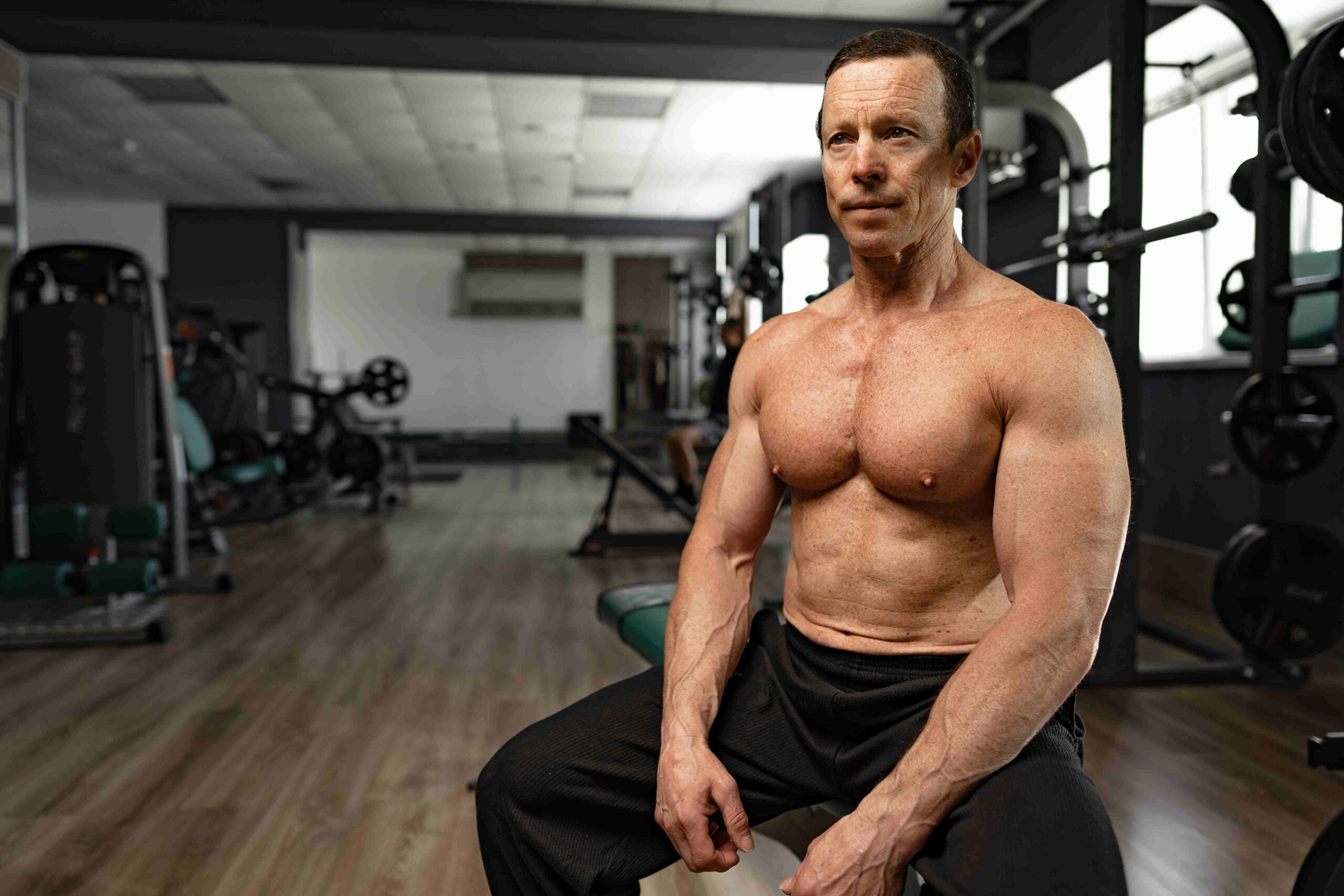
an older guy sits on a bench in the gym without a shirt. He is well built and looks healthier than men half his age. Peptides for men create this kind of effect and he looks great thanks to close medical supervision.

Peptides for Men: Benefits for Weight Loss, Muscle, and Hormones | Steel City Medical Center


Everyone loves a good superhero movie. But somewhere, quietly, us guys sit there on the couch probably eating and drinking something we know we shouldn’t, just wishing we could be like Wolverine. So the research begins. The gym memberships are purchased.

You’ve been doing the work. Sleeping better, training consistently, maybe even addressing your hormones. And you’re still not where you want to be.

Not dramatically off — just not all the way there. Recovery takes longer than it used to. The body composition isn’t shifting the way it should. Energy is functional, not optimal. You feel like a version of yourself running at 85%.

That gap is where peptides for men come in.

What Are Peptides and How Do They Work?

Peptides are short chains of amino acids — the same building blocks as proteins, just smaller and more targeted. Your body produces them naturally, and they act as signaling molecules: telling your cells to repair, grow, release hormones, burn fat, and recover.

The problem is that production of most peptides for men declines with age. And it’s not just hormones that drop — it’s peptides too. As one physician put it during a clinical training on peptide therapy: “Not only do we have a hormone deficiency, we have a peptide deficiency. And again, it is all a result of aging.”

Pittsburgh medical weight loss is all about targeting deficiencies but specific to you.

Peptide therapy works by restoring those signals. Not replacing your body’s function — prompting it. Think of it less like a supplement and more like a system reboot. The goal is to get your biology communicating the way it did when you were younger, so the work you’re putting in actually shows up the way it should.

Benefits of Peptide Therapy for Men

Weight Loss and Fat Metabolism

If you’re carrying stubborn fat — particularly around the midsection — and it’s not moving despite real effort, it’s often a signaling problem, not a discipline problem. Peptides for men can address this directly by supporting growth hormone release and improving how your body metabolizes fat.

Weight loss peptides like Sermorelin and CJC-1295/Ipamorelin work by prompting your pituitary gland to release more natural growth hormone. More GH means better fat oxidation, improved body composition, and more of the weight you lose coming from fat — not muscle.

Tesamorelin, an FDA-approved peptide, specifically targets visceral abdominal fat in men. If your waistline is the sticking point, this one is worth a direct conversation with your provider.

Muscle Growth and Recovery

Peptides for men in pursuit of muscle gain aren’t about shortcuts — they’re about making sure your body can actually keep up with the demands you’re putting on it.

As growth hormone levels decline, so does your ability to build lean tissue and recover between training sessions. Peptides for muscle recovery like BPC-157’s compliant alternative (more on that below), TB-500, and CJC-1295/Ipamorelin work by accelerating tissue repair, reducing inflammation, and supporting the IGF-1 pathway that drives muscle protein synthesis.

If your recovery used to take 24 hours and now takes 72 — that’s not age, that’s a signaling deficit. And that’s addressable.

Hormone Optimization and Testosterone Support

Peptides for men aren’t a replacement for TRT Pittsburgh. They’re a different layer of the same conversation.

Testosterone addresses the hormone. Peptides address the infrastructure — the signaling, the recovery capacity, the cellular environment that determines how well your body actually uses the testosterone it has. Many men on TRT find that adding targeted peptide therapy is what finally gets them to fully optimized.

Growth hormone secretagogues (the class that includes Sermorelin, CJC-1295, and Ipamorelin) have a particularly strong relationship with testosterone function — GH and testosterone work synergistically, and supporting one tends to support the other.

Energy and Performance

Most conversations about low energy go straight to testosterone instead of the peptides for men we discuss here. And that’s often right. But when hormones are optimized and fatigue is still present, the conversation needs to go deeper — to the mitochondria.

Mitochondria are your cells’ energy engines. NAD — a co-enzyme used in peptide therapy protocols — fuels mitochondrial function directly. But fueling a damaged engine only goes so far. That’s where the distinction between supplementation and repair becomes important. Some advanced peptide protocols are designed not just to fuel the mitochondria, but to structurally repair them — restoring the cellular machinery that makes energy production possible in the first place.

For men who feel like they’ve addressed everything and still can’t get their energy back, this is often the missing conversation.

Most Commonly Used Peptides for Men

Sermorelin

Sermorelin is the entry point for most men starting peptide therapy — and for good reason. It’s one of the most studied growth hormone releasing hormone (GHRH) analogs, it’s well-tolerated, and it works with your body’s natural GH rhythms rather than overriding them.

What it does: signals your pituitary gland to produce and release more of your own growth hormone. The result over time is improved body composition, better sleep quality, faster recovery, and a general lift in energy and well-being that’s hard to attribute to any single thing.

For men who’ve never done peptide therapy, Sermorelin is typically where physician-supervised programs start. It establishes the baseline and opens the door to more targeted protocols based on how you respond.

BPC-157 — The Wolverine Compound (And What Most Clinics Don’t Tell You About It)

So you wanna be an X-Men? Me too. However:

BPC-157 built a reputation in performance and recovery circles as one of the most potent healing peptides available — soft tissue repair, gut healing, anti-inflammatory effects, accelerated recovery from injury. The nickname stuck because the results were real.

Here’s what most clinics won’t tell you: BPC-157 is currently on the FDA’s list of prohibited compounded substances. Clinics still selling it by name are operating in territory that creates real risk — for them and for you.

The compliant alternative is Pentadeca Arginate (PDA). Same mechanism. Same healing pathway. Structurally similar, with an added sodium molecule that improves stability. The therapeutic profile that earned BPC-157 its reputation is intact — just in a form that’s legal, compounded correctly, and safe to administer under physician supervision.

At Steel City, we use PDA. When you hear about the Wolverine Stack — BPC-157 paired with TB-500 for synergistic tissue repair — what we’re actually running is PDA + TB-500. The results hold. The compliance does too.

It’s all about making sure peptides for men are safe and effective.

CJC-1295 / Ipamorelin

If Sermorelin is the entry point to peptides for men, CJC-1295 paired with Ipamorelin is the more targeted, sustained version of that conversation.

CJC-1295 is a long-acting GHRH analog — it extends the GH release window over days rather than hours, meaning fewer injections and more consistent hormone signaling. Ipamorelin is a selective GH secretagogue that produces a clean GH pulse without the cortisol or ghrelin spikes that some other secretagogues cause.

Together, they’re one of the most commonly used stacks in physician-supervised peptide therapy for men: cleaner sleep, improved body composition, faster recovery, and a sustained anabolic environment that supports both muscle and fat metabolism. Peptides for muscle gain and fat loss in the same protocol.

Peptides vs. Testosterone Replacement Therapy: Are They the Same?

No — and conflating them is one of the most common misconceptions in men’s health.

TRT addresses a hormone deficiency. If your testosterone is low, TRT restores it to an optimal range. That’s a specific fix for a specific problem.

Peptides for men operate differently. Peptides work at the signaling level — prompting your body to produce and release hormones, repair tissue, and optimize cellular function. They don’t replace what’s missing so much as they restore the communication network that tells your body what to do with what it has.

For some men, the right answer is TRT. For others, it’s peptide therapy. For many — particularly men who are on TRT but still feel like something’s missing — it’s both, working together as complementary protocols under the same physician-supervised plan.

The question isn’t which one. It’s what your labs, your symptoms, and your goals actually call for. That’s a conversation worth having with a provider who knows both sides of it.

Who Is a Good Candidate for Peptide Therapy? 

Peptides for men work best when the fundamentals are reasonably in place — you’re not trying to out-supplement a lifestyle that’s working against you. But if you recognize yourself in any of the following, it’s worth a conversation:

  • Your recovery used to be 24 hours. Now it’s 72, and you didn’t change anything.
  • You’re on TRT, your levels look optimized, and you still feel like you’re at 80%.
  • Your body composition isn’t moving the way it should given your training and diet.
  • You’ve got a stubborn injury that’s not healing the way it should.
  • Your energy is functional but flat — you’re getting through the day, not driving it.
  • You’re doing everything right for sleep and still waking up unrestored.

Age plays a role — most men start noticing these gaps in their late 30s and 40s — but peptide deficiency isn’t strictly an age issue. It’s a signaling issue. And signaling issues are addressable.

Peptide Therapy for Men in Pittsburgh

Peptides for men are showing up everywhere right now — online vendors, gray-market sites, clinics that will write a protocol without ever running labs or asking about your history.

That’s not how this works at Steel City Medical Center.

Physician-supervised weight loss and peptide therapy here means Dr. Donaldson and the clinical team review your labs, understand where you are hormonally, and build a protocol that’s specific to your symptoms and goals — not a menu you pick from based on what you read online. Entry-level peptides like Sermorelin establish your baseline. More targeted protocols layer in as you respond and as your goals evolve.

The compounds we use are sourced from vetted compounding pharmacies. The dosing is monitored. The protocol adjusts. That’s the difference between physician-supervised peptide therapy and a subscription box.

If you’re in Pittsburgh and you’ve been curious about peptides for men — whether you’re already on TRT, already doing functional medicine Pittsburgh, or starting from scratch — the conversation starts with a consultation. We’ll tell you honestly whether you’re a candidate, what we’d recommend, and what you can realistically expect.

Feeling better shouldn’t be complicated. But it does require doing it right (and you don’t need to be an X-Men to feel superhuman either).

Schedule a consultation or call us to get started.

a warm wood yoga studio has a middle age and older woman in it who just completed a yoga session. they have on tight fitting yoga clothes and are happy about peptides for women that keep them performing how they did their whole life long.

Peptides for Women: Weight Loss, Hormones, & Youthful Aging

You’ve spent years taking care of everyone else’s health. The kids’ checkups, your partner’s stress levels, your parents’ medications. Somewhere in the middle of all of that, you stopped being the patient.

Now you’re in your 40s — maybe your late 30s, maybe your early 50s — and the body is sending invoices. The weight that used to come off won’t budge. You’re sleeping but not resting. Your energy is functional at best and nonexistent by 3pm. Your doctor ran labs and said everything looks fine.

It doesn’t feel fine.

That gap — between “your numbers are normal” and actually feeling like yourself — is where peptides for women are changing the conversation.

What Are Peptides and How Do They Work in Women?

Peptides are short chains of amino acids that act as signaling molecules in the body. They tell your cells what to do — repair tissue, release hormones, burn fat, regulate inflammation, produce collagen. Your body makes them naturally. The problem is that hormone production declines as women age, and that decline tends to accelerate significantly around perimenopause and menopause.

It’s not just estrogen and progesterone that drop. Peptide signaling drops too. Which means your body isn’t just working with lower hormones — it’s working with a compromised communication system that affects nearly every function you’re trying to restore.

Peptide therapy works by restoring those signals. Not overriding your biology — speaking to it in a language it already understands.

Key Benefits of Peptide Therapy for Women

Weight Loss and Belly Fat Reduction

This is usually what brings women in first — and for good reason. The weight gain that comes with hormonal shifts in your 40s isn’t a willpower problem. It’s a metabolic signaling problem. Estrogen decline changes where your body stores fat (hello, midsection), slows your metabolic rate, and disrupts the hormones that regulate hunger and satiety.

Peptides for women address this at the signaling level. Growth hormone secretagogues like Sermorelin and CJC-1295/Ipamorelin support fat metabolism by prompting your pituitary to release more natural growth hormone — which improves body composition, helps shift stubborn fat, and supports the lean muscle mass that keeps your metabolism running. Tesamorelin, an FDA-approved peptide, specifically targets visceral abdominal fat.

Weight loss peptides aren’t a replacement for the lifestyle work. They’re what makes the lifestyle work actually show up in your body the way it should.

Muscle Tone and Recovery

Women lose muscle mass faster than most people realize — particularly after 40, and faster still after menopause. And unlike men, women rarely hear this framed as a health priority. It is.

The right peptides for women can help reverse this decline.

Lean muscle mass isn’t just about aesthetics. It’s your metabolic engine, your bone density protection, your injury prevention, your energy reservoir. When it goes, everything gets harder.

Peptides for muscle recovery like PDA (Pentadeca Arginate), TB-500, and CJC-1295/Ipamorelin support tissue repair, reduce exercise-related inflammation, and help maintain the lean mass you’re working to build. Women using these protocols often notice they’re recovering faster between workouts, experiencing less joint soreness, and actually seeing the results of their training — many for the first time in years.

Hormone Balance and Menopause Support

Perimenopause and menopause don’t announce themselves cleanly. They show up as sleep that’s never quite deep enough, moods that don’t track with your circumstances, a libido that quietly exited the building, and cognitive fog that makes you feel like you’re thinking through wet concrete.

Peptide therapy for women doesn’t replace hormone therapy — but it works with it in ways that matter. Growth hormone peptides support the hormonal environment that makes HRT Pittsburgh more effective. Sermorelin and Ipamorelin improve sleep architecture, which is often the first domino in the perimenopause cascade. Semax, a nootropic peptide that increases brain-derived neurotrophic factor (BDNF), can support the cognitive clarity that tends to erode in the years around menopause. PT-141, FDA-approved for women’s sexual health, addresses low libido at the neurological level — not the vascular one — making it effective where other interventions fall short.

Peptides for women aren’t replacements for a comprehensive hormone protocol. They’re the layer that makes everything else work better.

Energy, Sleep, and Mood

Fatigue in women gets dismissed constantly. You’re busy. You’re stressed. You’re not sleeping well. You’re probably just anxious. Take this antidepressant. Peptides for women are overlooked due to common misconceptions.

When hormones are addressed and fatigue persists, the conversation needs to go deeper — to the mitochondria, the actual energy-producing machinery inside your cells. NAD supports mitochondrial fuel. Some advanced peptide protocols go further, targeting the structural repair of mitochondria that have been damaged by chronic stress, hormonal disruption, and time. Fueling a damaged engine only goes so far. Repairing it is a different outcome entirely.

Selank, an anti-anxiety peptide that produces calm focus without sedation, is another option worth mentioning for women dealing with the stress-fatigue-sleep loop that becomes self-reinforcing in midlife. It’s not a medication. It’s a signal — telling your nervous system it’s allowed to stand down.

Peptides Commonly Used for Women’s Health

Sermorelin

Sermorelin is typically the starting point for those considering peptides for women — and often the one that surprises women the most. It’s one of the most studied GHRH analogs, well-tolerated, and works with your body’s natural growth hormone rhythms rather than overriding them.

What most women notice first: sleep quality. Deeper, more restorative sleep within the first few weeks. Then body composition starts to shift. Then energy. It’s not dramatic — it’s cumulative. And it establishes the baseline from which more targeted peptide therapy can be added as your protocol evolves.

BPC-157 — What So Many Hormone Clinics Neglect To Tell You

BPC-157 earned a strong reputation for tissue repair, gut healing, joint recovery, and anti-inflammatory effects. It’s cited all over the internet — including by clinics that describe it as straightforwardly “safe.”

Here’s what they’re leaving out: BPC-157 is currently on the FDA’s list of prohibited compounded substances. Clinics still prescribing it by name are operating outside current regulatory guidance — which creates real risk for patients, not just providers. 

Not all peptides for women are created equal!

The compliant alternative is Pentadeca Arginate (PDA). Structurally similar to BPC-157, with an added sodium molecule for improved stability and the same therapeutic mechanism. The healing profile that made BPC-157 so widely discussed is intact. The compliance is too.

At Steel City, we use PDA — often paired with TB-500 for synergistic tissue repair, or as part of the Glow Stack (PDA + TB-500 + GHK-Cu copper peptide), which supports inside-out tissue healing alongside collagen amplification and skin elasticity. For women whose aesthetic and recovery goals overlap, this stack is particularly well-suited.

CJC-1295 / Ipamorelin

The stack most commonly used for sustained growth hormone support. CJC-1295 extends the GH release window over days via a long-acting GHRH mechanism — fewer injections, more consistent signaling. Ipamorelin produces a clean, selective GH pulse without the cortisol or ghrelin spikes that other secretagogues can cause.

Together these peptides for women support improved sleep, body composition, recovery, and a sustained hormonal environment that makes the rest of your protocol more effective. For women navigating perimenopause or post-menopause, this combination is one of the more versatile tools in a physician-supervised peptide plan.

How Peptides and Hormone Therapy Work Together

Peptides for women aren’t a replacement for hormone therapy. They’re the layer that makes hormone therapy work the way it’s supposed to.

Think of it as a progression. You address the foundational deficiencies first — hormones, nutrition, sleep. Then you layer in peptide therapy to optimize the signaling environment those hormones operate in. As one physician framed it during clinical training: “Supplements… then hormones… then peptides. This is where the puzzle now starts to take effect.”

Women on HRT Pittsburgh who add targeted peptide protocols often report that the results they were hoping for from hormone therapy — better energy, improved body composition, sharper cognition — become more pronounced. That’s not coincidence. It’s biology. Hormones and peptides work synergistically, and treating them as separate conversations misses most of the picture.

Peptides vs. Semaglutide: Which Is Right for You? 

Both come up in women’s weight loss conversations. They’re not the same tool.

Semaglutide is a GLP-1 receptor agonist — it works by suppressing appetite, slowing gastric emptying, and regulating blood sugar to drive caloric reduction and fat loss. It’s highly effective for significant weight loss, particularly for women dealing with metabolic dysfunction or insulin resistance.

Weight loss peptides for women like Sermorelin and CJC-1295/Ipamorelin work differently — by improving how your body metabolizes fat and maintains lean muscle, supporting body composition rather than primarily driving scale weight down.

For some women, semaglutide is the right starting point — particularly if there’s significant weight to lose and metabolic correction is the priority. For others, peptide therapy addresses the body composition and hormonal environment that semaglutide doesn’t touch. For many, a sequenced protocol using both — medical weight loss in Pittsburgh that combines GLP-1 therapy with peptide support — delivers better long-term outcomes than either alone.

The right answer depends on your labs, your symptoms, and your goals. Not what worked for someone else.

Women’s Peptide Therapy in Pittsburgh

Peptides for women are showing up in a lot of places right now. Some of them are good. Some of them are recommending FDA-prohibited compounds and calling them safe. Some of them will write a protocol without running a single lab.

That’s not how Steel City works.

Dr. Donaldson and the clinical team review your full picture — hormones, metabolic markers, symptoms, goals — before any protocol is recommended. Peptide therapy here is physician-supervised, compounding-source verified, and built to evolve as you respond. Entry-level peptides for women like Sermorelin establish your baseline. More targeted additions layer in as your goals become clearer.

Women who’ve been dismissed by conventional medicine, told their labs are “normal,” or handed an antidepressant when what they needed was an actual answer — this is a different kind of practice. Bo built it because he lived the other version. Dr. Donaldson runs it because the medicine is better than what most people are getting.

If you’re in Pittsburgh and you’ve been wondering whether peptides for women could be part of your answer — whether you’re looking for a Pittsburgh functional medicine clinic for the first time or already working on your hormones and looking for the next layer — the conversation starts with a consultation.

Feeling better shouldn’t be complicated. But it does require doing it right.

Schedule a consultation or call us to get started.

a fit lady is happy, eating a healthy meal in a glass bowl. She is wearing a white sports bra and has earbuds in. This type of semaglutide diet helps people lose the fat while maintaining muscle.

What to Eat on Semaglutide: Diet Tips for Better Results | Steel City Medical Center


If you’re taking semaglutide, you’ve probably noticed your appetite has changed. You’re not as hungry. Meals almost feel like they’re too much. You might even forget to eat!

That’s the medication working. But here’s what most people don’t realize about the semaglutide diet: the problem isn’t about eating (or not) of the wrong foods — it’s eating too little of the right ones.

Get that wrong, and you don’t just lose fat. You lose muscle. You feel worse. And when the scale moves, you have no idea if you’re actually making progress or just shrinking in the wrong direction.

That’s exactly why what you eat on semaglutide matters more than people think.

In this article, the Steel City nutrition team breaks down the science and the habits needed to understand so that you can be successful on your GLP-1 journey.

How Semaglutide Works in the Body

Simply put, semaglutide is a GLP-1 receptor agonist. It mimics a hormone your gut naturally produces after eating — one that signals your brain to reduce appetite, slows how quickly your stomach empties, and helps your pancreas release insulin more efficiently.

The result: you feel full faster, stay full longer, and think about food less.

Cool, right?

For people who’ve spent years fighting hunger on every diet they’ve tried, that’s a significant shift. But slowed gastric emptying also means what you eat hits your system differently. Fatty, greasy, or heavy foods linger longer — and that’s where the nausea comes from.

The semaglutide diet isn’t about restriction for restriction’s sake. It’s about working with what the medication is already doing.

Why Diet Still Matters on Semaglutide

Here’s the version of this conversation most weight loss clinics skip but that our functional medicine Pittsburgh does different:

Semaglutide can suppress your appetite so effectively that some patients barely eat. And when you’re not eating enough — especially not enough protein — your body starts breaking down muscle for fuel. The scale goes down. But you’re not losing fat. You’re losing the metabolic tissue that keeps your energy up, your strength intact, and your weight loss sustainable long-term.

Making sure you keep the good weight and ditch the bad is what the semaglutide diet is all about.

A lot of people ask: does Ozempic target belly fat specifically? The honest answer is no — and also kind of yes. Semaglutide drives overall fat loss, and visceral fat (the deep abdominal fat around your organs) tends to respond well because it’s metabolically active. But the medication doesn’t choose where the fat comes from. Your diet, your activity level, and your body composition going in all shape what actually moves. Semaglutide opens the window. What you eat determines whether you climb through it or just look at it.

This is the real reason a semaglutide diet matters. Not because the medication won’t work without it, but because the goal isn’t just a lower number on the scale. The goal is losing fat, keeping muscle, and actually feeling better in the process.

If you’re doing physician-supervised weight loss in Pittsburgh, your clinical team should be tracking more than your weight. That’s the difference between guessing and knowing.

Best Foods to Eat While Taking Semaglutide

Lean Proteins

Protein is the non-negotiable of any semaglutide diet. When your appetite drops, protein is what keeps your muscle mass intact while your body burns fat.

Most patients on semaglutide should target 1.2 to 1.5 grams of protein per kilogram of body weight — more if you’re active. That sounds like a lot when you’re not hungry. Which is exactly why it has to be intentional.

Best options: chicken breast, fish, turkey, eggs, Greek yogurt, lentils, and tofu. Eat protein first at every meal. Whatever else you get in after is a bonus.

Fiber-Rich Vegetables

Fiber does two things on a semaglutide diet that matter. First, it slows carbohydrate absorption and extends the feeling of fullness — which compounds the medication’s satiety effect without overloading your digestive system. Second, it feeds the gut bacteria that support healthy digestion, which can help manage the GI side effects some patients experience early on.

Go for non-starchy vegetables: broccoli, spinach, kale, cucumbers, zucchini, and leafy greens. Pair them with complex carbohydrates like quinoa, sweet potatoes, and brown rice when you need energy.

Keep portions moderate. Semaglutide slows gastric emptying — large, fiber-heavy meals can cause bloating even with the right foods.

Healthy Fats

Yes, there are fats that you should be eating. Without them, the body falls apart.

But you want these foods in small amounts. Avocado, nuts, olive oil should all be part of your balanced semaglutide diet. These support nutrient absorption and keep meals satisfying without the GI backlash that comes from high-fat, heavy foods.

The key word is small. Fat takes the longest to digest under normal circumstances — with semaglutide slowing things down further, too much fat in a single meal is the fastest route to nausea.

Foods and Habits to Avoid

High-Fat and Fried Foods

Fried foods, fast food, heavy sauces, fatty cuts of meat — these are the most common triggers for nausea and GI discomfort on semaglutide. With gastric emptying already slowed, high-fat meals sit in your stomach longer and amplify every side effect the medication can cause.

This isn’t a permanent sentence. Most patients find their tolerance improves as their body adjusts. But in the early weeks, greasy food and semaglutide don’t mix.

Alcohol

Alcohol on a semaglutide diet is a layered problem. It’s empty calories working against your weight loss goals. It dehydrates you when hydration is already important for managing side effects. And it can amplify GI symptoms significantly in some patients.

If you’re going to drink, keep it minimal and watch how your body responds. Many patients find they’re more sensitive to alcohol than they were before starting the medication.

Skipping Meals

To be clear and mythbust for a second: the semaglutide diet DOES NOT MEAN stopping eating!

This one doesn’t get talked about enough. Skipping meals on semaglutide feels easy — you’re not hungry, so why bother? But consistently under-eating accelerates muscle loss, can drop your energy and mood significantly, and makes it harder to hit your protein targets for the day.

Eating when you’re not hungry is a discipline that matters here. Smaller, scheduled meals are more effective than waiting until hunger forces the issue.

Managing Common Side Effects Through Diet

Most semaglutide side effects — nausea, bloating, mild GI discomfort — peak during dose escalation and improve with time. Diet can make that window shorter and more manageable.

The practical version:

Eat smaller portions. A full plate is too much. Half of what you’d normally serve yourself is a better starting point, especially in the first few weeks.

Eat slowly. Semaglutide changes how quickly you recognize fullness. Eating too fast means you blow past the signal and end up uncomfortable.

Stay hydrated. Water throughout the day — not just with meals. GI side effects worsen with dehydration, and a lot of patients underestimate how much this matters.

Bland foods when nausea hits. Toast, crackers, plain rice, broth-based soups. Not exciting, but effective. Semaglutide-related nausea responds well to low-fat, low-fiber foods in the short term.

Timing matters. Some patients do better with the medication at night so peak side effects happen while they’re sleeping. Talk to your provider about what makes sense for your schedule.

Physician-Supervised Semaglutide in Pittsburgh 

Weight loss injections in Pittsburgh are easier to find than they used to be. The harder question is what happens after the prescription gets written.

At Steel City Medical Center, a well-rounded semaglutide diet is part of a supervised medical weight loss program — not a subscription service. That means your dosing gets adjusted based on how you’re actually responding. Your side effects get addressed before they become reasons to quit. And your nutrition guidance is specific to you, not a generic handout.

One of the tools that sets this program apart: InBody body composition scans. Stepping on a scale tells you one number. An InBody scan tells you how much of your weight is fat, how much is lean muscle, and how much is water — broken down by region of your body. When you’re on a semaglutide diet and losing weight, that distinction matters. Are you losing fat? Are you holding your muscle? The scale can’t answer that. InBody can.

Physician-supervised weight loss in Pittsburgh means you’re not guessing. Dr. Donaldson and the clinical team monitor your progress, adjust your protocol, and make sure the weight you’re losing is the weight you actually want to lose.

If you’re already on semaglutide somewhere else and not getting this level of oversight — or you’re considering Pittsburgh medical weight loss for the first time — we’re straightforward about what we offer and what it takes to get real results.

Feeling better shouldn’t be complicated. But it does require doing it right.

Schedule a consultation or call us to talk through whether physician-supervised semaglutide diet should be part of your weight loss journey with GLP-1s. 

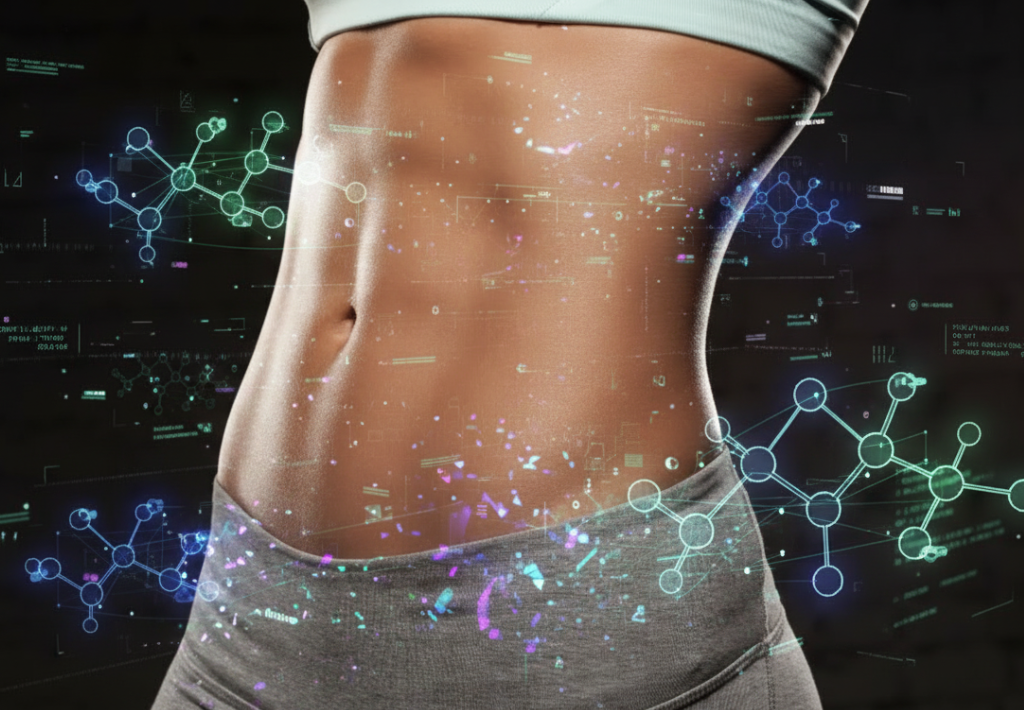
a female tummy has a six pack. she is wearing low cut grey yoga pants and a high sports bra. over the image we also see colorful graphics of long chain weight loss peptides.

Weight Loss Peptides: What They Are, How They Work, and What to Expect

You don’t need statistics and studies to tell you what you already know: trying to lose weight sucks, especially when your favorite foods are easy to sneak, and made worse by the fact that you can’t out-burn calories if your biology is fighting you.

Most people think about surgical weight loss or liposuction, but the risks are high. Enter weight loss peptides.

So to throw real numbers at you: research published in the NIH’s National Library of Medicine found that an estimated 95% of lost weight is regained within five years

The Obesity Society has been sounding this alarm for years: the body fights back against weight loss at a hormonal level, and willpower alone doesn’t win that fight.

O-M-G.

Enter the lasting power of weight loss peptides.

In this article, we’ll talk about what these peptides are, how they work, but most importantly, how they might work for you.

What Are Peptides?

Peptides are short chains of amino acids (essentially smaller versions of proteins) that act as signaling molecules in the body. When used for weight loss, peptides tell your cells what to do: release a hormone, repair tissue, ramp up metabolism, slow down hunger.

Your body already makes them. The ones used in physician-supervised weight loss programs are either identical to those your body produces naturally or designed to mimic their effects more precisely and for longer.

They are not steroids. They are not stimulants. They are not the sketchy stuff sold in unmarked bottles online.

 How Peptides Support Weight Loss

Weight loss peptides don’t work through a single mechanism and that’s actually the point. The most effective weight loss peptide protocols target multiple biological levers at once.

Appetite Regulation

Some peptides work directly on the hormones that control hunger. GLP-1 receptor agonists, for example, signal satiety to the brain the way food naturally would, making it easier to eat less without white-knuckling it through every meal. Less hunger. Less noise. More control.

Fat Metabolism

Peptides like Tesamorelin and IGF-1 LR3 influence growth hormone pathways that regulate how your body stores and burns fat. When those pathways are functioning properly, your body becomes more efficient at mobilizing fat for energy instead of holding onto it.

Muscle Preservation

Peptides like Tesamorelin and IGF-1 LR3 influence growth hormone pathways that regulate how your body stores and burns fat. When those pathways are functioning properly, your body becomes more efficient at mobilizing fat for energy instead of holding onto it.

It’s also worth noting here that any real weight loss program and body composition protocol includes InBody scans at Steel City Medical Center. We make sure that you’re losing the bad weight while keeping the good stuff.

Weight loss doesn’t really work if you feel “skinny fat” as a result.

Most Common Peptides Used for Weight Loss

Medical weight loss Pittsburgh protocols are physician-supervised weight loss programs that often includes: 

  • Semaglutide — A GLP-1 receptor agonist that reduces appetite and improves insulin sensitivity. One of the most well-studied tools in metabolic medicine right now.
  • Sermorelin — Stimulates natural growth hormone release, supporting fat metabolism and lean muscle retention.
  • Tesamorelin — FDA-approved peptide that specifically targets visceral fat (the deep abdominal fat tied to metabolic disease.)
  • IGF-1 LR3 — An insulin-like growth factor that supports both fat loss and muscle preservation, particularly useful for patients with body composition goals beyond the number on the scale.
  • Thymosin Alpha-1 — Supports immune function and overall metabolic resilience during an active weight loss program.
  • Pentadeca Arginate (PDA) — Supports tissue repair and recovery, particularly useful when weight loss is paired with increased physical activity.

No single peptide works for everyone. Your protocol is built around your labs, your body composition data, and where you’re actually starting from; not a template.

Peptides vs. Semaglutide: What’s the Difference?

Semaglutide gets most of the headlines right now, and honestly, it earns them. But it’s one weight loss peptide, not the whole toolbox.

Here’s how to think about it: semaglutide is a peptide. Specifically, it’s a GLP-1 receptor agonist that mimics a gut hormone your body already makes. It’s excellent for appetite suppression and blood sugar regulation. For a lot of patients, it’s a meaningful part of the picture.

What it doesn’t do on its own is address body composition. It doesn’t specifically target visceral fat. It doesn’t preserve muscle. And if you stop taking it without a broader metabolic strategy in place, the weight tends to come back  (see above.)

A well-designed peptide protocol uses semaglutide where it makes sense and layers in other compounds to address the full metabolic picture. That’s what separates functional medicine in Pittsburgh from a prescription-and-handshake clinic.

Are You a Good Candidate?

Weight loss peptides aren’t right for everyone, but they’re right for more people than most doctors bother to discuss.

You may be a strong candidate for weight loss peptides if:

  • You’ve done “everything right” and still can’t move the needle
  • You’ve lost weight before but always regained it
  • Your labs show insulin resistance, low growth hormone, or hormonal imbalances driving your weight
  • You’re losing weight but losing muscle along with it
  • You want to target body composition, not just the scale

The only way to know for certain is to look at your actual numbers. That’s where we start.

Peptide Therapy at Steel City Medical Center in Pittsburgh

Our founder built Steel City Medical Center because he lived this. Dismissed by conventional medicine, told his labs were “normal,” where he was stuck in a cycle of standard advice. When he finally found answers through proven Pittsburgh functional medicine, it changed everything and it’s why this practice exists.

Under the clinical direction of Dr. Donaldson, our team doesn’t guess. We run the right labs, review your body composition with InBody scanning, and build a weight loss peptide protocol around what your body is actually doing; not what the average patient’s body does.

Weekly monitoring. Real adjustments. And nutrition and lifestyle counselling too. 

Never a prescription mill.

If you’re in Pittsburgh and you’re ready to stop spinning your wheels, let’s look at your numbers.

Search

+
Skip to content